



Key Takeaway: The best language learning apps in 2026 work only when paired strategically, and combining one structured core app with one output-focused app produces better results than using three apps inconsistently.
- Duolingo builds daily habits fast but plateaus at A2 and has weak grammar explanations
- Babbel is the strongest grammar-first option but weakens past B1 and has no free plan
- Pimsleur is the best pick for speaking confidence and commute learning, with no screen required
- Mango Languages is entirely free with a library card and includes full structured courses
- AI speaking apps like Talkpal work for low-pressure conversation practice but can reinforce errors without a structured foundation
- No app alone produces fluency. consistent speaking and writing output alongside app-based input is what actually drives progress
While there are many language learning applications available to learners today, most reviews simply name the well-known ones and leave it at that.
But this review of the best language learning apps is quite different. Here, each app will be viewed from the perspective of students and ESL learners with respect to actual limitations students face, such as time restrictions, anxiety when attempting to pronounce words correctly, impending deadlines for academic writing assignments, and limited budgets.
You can’t become fluent using only one app. But when you use the right combination of two apps consistently, you will achieve much greater results than by using either application randomly.
Questions to Ask Before Picking a Language Learning App
Most individuals search for the top language learning apps, download that particular app, and trust that their learning will improve. Instead, there is another way to choose apps. There are questions that can be asked before making a commitment. Below is a list of things that separate a good app from one that you will delete in two weeks.
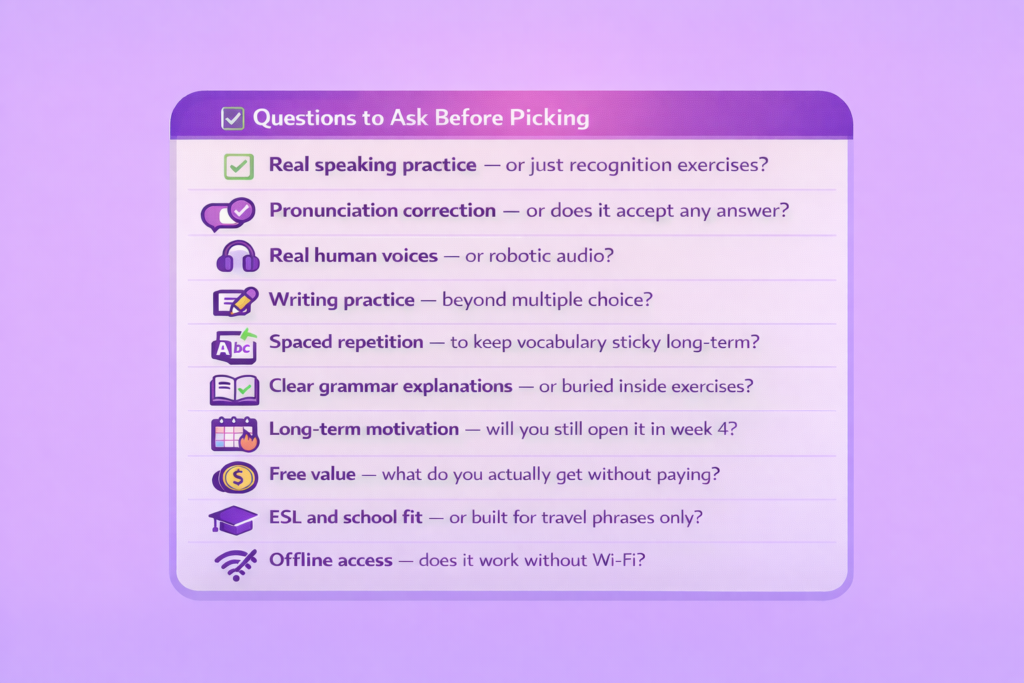
- Does it give you real speaking practice, or just recognition exercises?
- Does it correct your pronunciation, or just accept any answer?
- Does it use real human voices or robotic audio?
- Does it include writing practice beyond multiple choice?
- Does it use spaced repetition to keep vocabulary sticky long-term?
- Is grammar explained clearly, or buried inside exercises?
- Will you still want to open it in week 4?
- What do you actually get for free, and what is locked behind a paywall?
- Is it useful for school English and ESL contexts, or built for travel phrases only?
- Does it work offline for commutes?
Every experienced learner has agreed upon one primary factor regarding apps: they are designed to supplement learning. They assist in developing learning habits and vocabulary, but cannot replace actual output-based practices. That is why we have identified the limitations associated with each application and recommended pairing it with another resource in the further sections.
If you are a student using AI-based learning tools, it would probably be beneficial to understand why AI is bad for students before integrating them into your current study schedule.
Comparison Table of The Best Language Learning Apps
Use this table to find your starting point fast. Full reviews follow below.
| App | Best For | Biggest Strength | Biggest Limitation | Free Plan? | Pair With |
| Duolingo | Habit building, A0–A1 | Consistency + gamification | Plateaus fast, weak grammar | Yes | Pimsleur or LingQ |
| Babbel | Structured grammar focus | Clear lessons, classroom feel | Repetitive past intermediate | No (trial only) | Busuu or Clozemaster |
| Busuu | Community writing feedback | Real corrections from natives | Inconsistent feedback quality | Yes (limited) | Memrise or Pimsleur |
| Pimsleur | Speaking + pronunciation | Audio-first, offline-ready | No reading or writing practice | Yes (1 lesson/day) | Duolingo or Babbel |
| Memrise | Real-voice vocab retention | Native speaker video clips | Not a full curriculum | Yes | Babbel or LingQ |
| Mango Languages | Budget learners (free via library) | Full structured course, free | Lesser-known, smaller community | Yes (library card) | Pimsleur |
| LingQ | Reading + listening with real content | Import your own materials | Steep learning curve for beginners | Yes (limited) | Clozemaster |
| Clozemaster | Sentence mining, intermediate+ | Fast reps, no fluff | Not for A0–A1 beginners | Yes (limited) | LingQ or Busuu |
| AI speaking apps (Talkpal/ Langotalk) | Low-stakes speaking output | Conversation reps anytime | No, structure can reinforce errors | Varies | Any structured core app |
Language Learning Apps Reviews: What to Use, What It Is Actually Good For, and Where It Fails
Duolingo (Best Free Consistency Starter, Not a Fluency Plan)
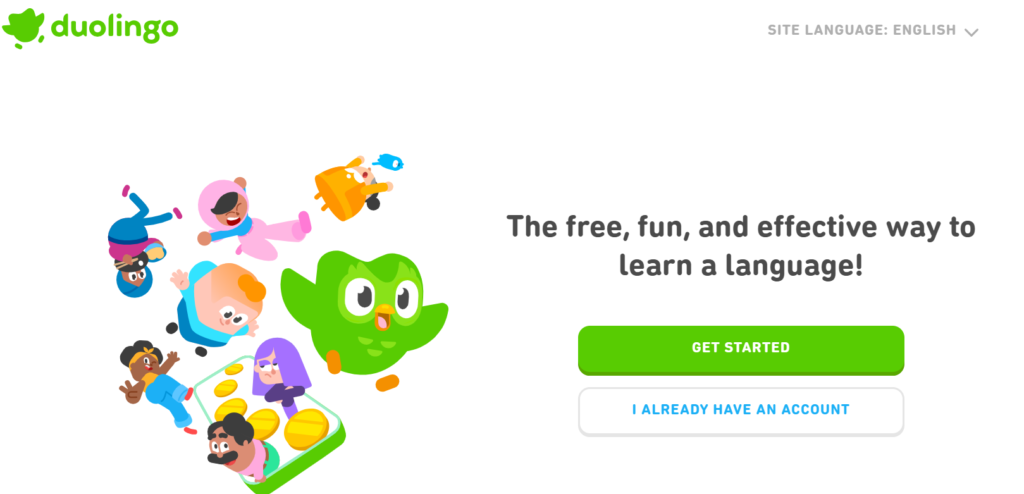
- Best for: New students who want to develop their ability to practice a new language every day as quickly as possible.
- Pros: It has no friction. Open the app, take a lesson, and see how far along you’ve gotten. The streak really helps create momentum.
- Cons: As you reach around an A2 level in Duolingo, the lessons begin to repeat themselves, and the grammar explanations become quite limited. Instead of creating your own sentences by using the language as a tool, you begin to recognize phrases. For some students, it can take several months to recognize where they are at this point before making any further changes.
- 20-minute student routine: One skill lesson (10 min) + one story (5 min) + read back your answers out loud (5 min).
- Pair it with: Pimsleur if you would like to improve your speaking skills, or LingQ if you are looking for more detail and depth.
Babbel (Structured Grammar-First, Limited Beyond Intermediate)
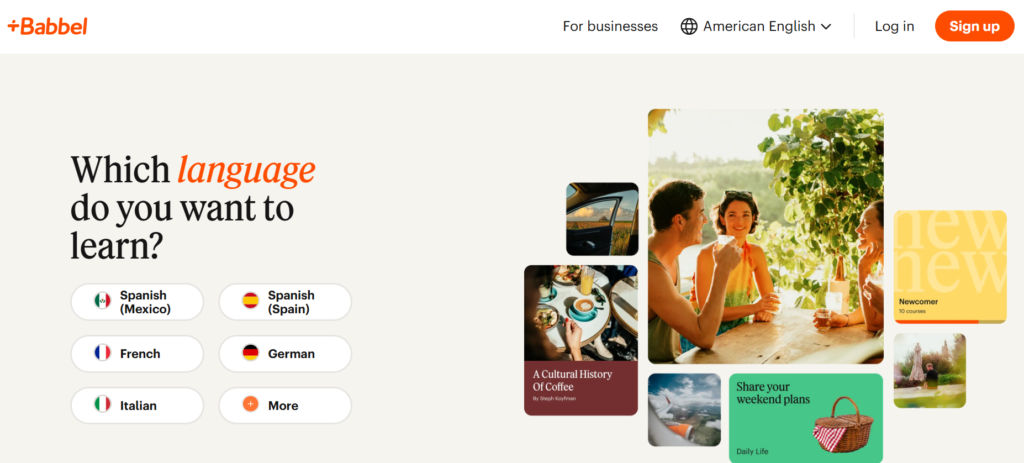
- Best for: Students looking for an organized classroom environment in which grammar is clearly defined from day one.
- Pros: Lessons are structured in an intentional way. The content of your lessons will be presented to you as grammar first, and then you will get to apply that grammar in practice. Babbel has been helpful for students who found Duolingo too confusing because Duolingo was more of a “teach yourself through trial and error” format.
- Cons: The content weakens quickly after B1. The vocabulary review system does not provide a sufficient way to keep your vocabulary fresh over time. Some of the lessons may seem outdated or less relevant than they were before.
- 20-minute student routine: One grammar lesson (12 min) + review dialogue out loud (8 min).
- Pair it with: Clozemaster for sentence mining when you have mastered the basic grammar skills.
Busuu (Community Corrections, Useful but Inconsistent)
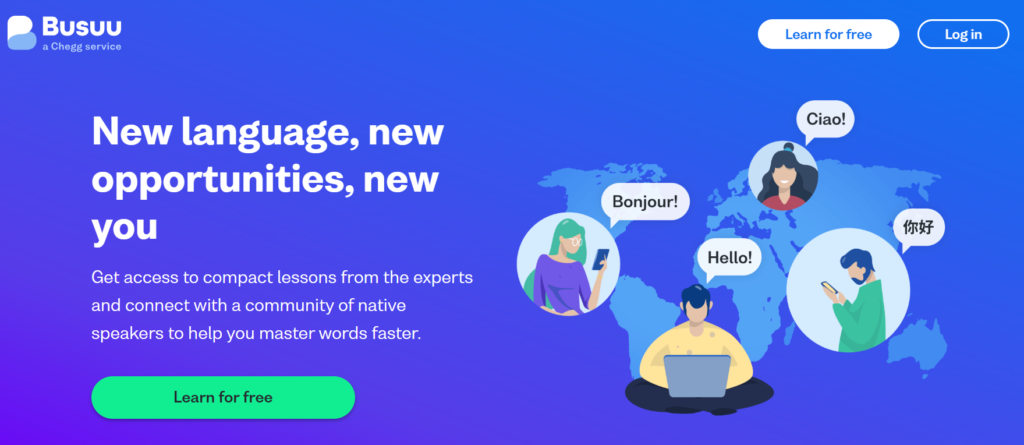
- Best for: Students looking for short exercise-based writing assignments that include real-time feedback from actual native speakers.
- Pros: A genuine benefit of this app is the community correction option, which allows you to post a short piece of writing and then have multiple native speakers correct it with comments. There are very few apps that provide such an immediate, iterative learning experience.
- Cons: Quality of feedback may vary. Feedback has ranged from being very helpful to minimal. Unfortunately, there is no way to determine which person will evaluate your assignment, nor how closely someone will look at your assignment to make sure all of the grammar and spelling errors are corrected before providing a grade.
- 20-minute student routine: One lesson (10 min) + submit one writing prompt for correction (5 min) + review yesterday’s corrections (5 min).
- Pair it with: Memrise for vocabulary reinforcement during the time when you’re waiting for the next group of people to give you feedback.
Pimsleur (Best Commute Speaking Confidence Builder)
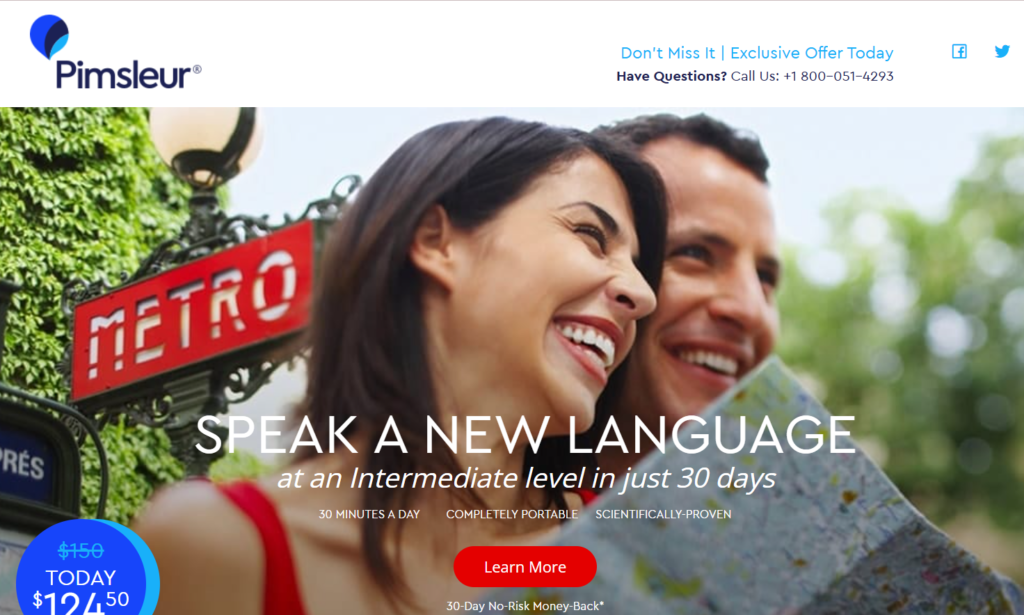
- Best for: Students and ESL students who have a fear of being judged when they speak and want to build confidence in their speaking skills through listening and repeating, while there isn’t an audience looking at them.
- Pros: The entire application is auditory. The listener hears, repeats back what has been heard, and responds verbally. There is no display on your device. A person can easily use it during commutes or long walks, since it is an audio-based program. This is why most of the Reddit community that uses it supports the idea of using an audio-first approach.
- Cons: There is no opportunity for practicing vocabulary through reading or writing. Eventually, you will get bored after a few months and want to add some structure with a text-based application as well.
- 20-minute student routine: One 20-minute Pimsleur episode (they are timed exactly for this).
- Pair it with: To support grammar and reading skills, pair this with Duolingo or Babbel.
Memrise (Real-Voice Listening for Vocab Retention)
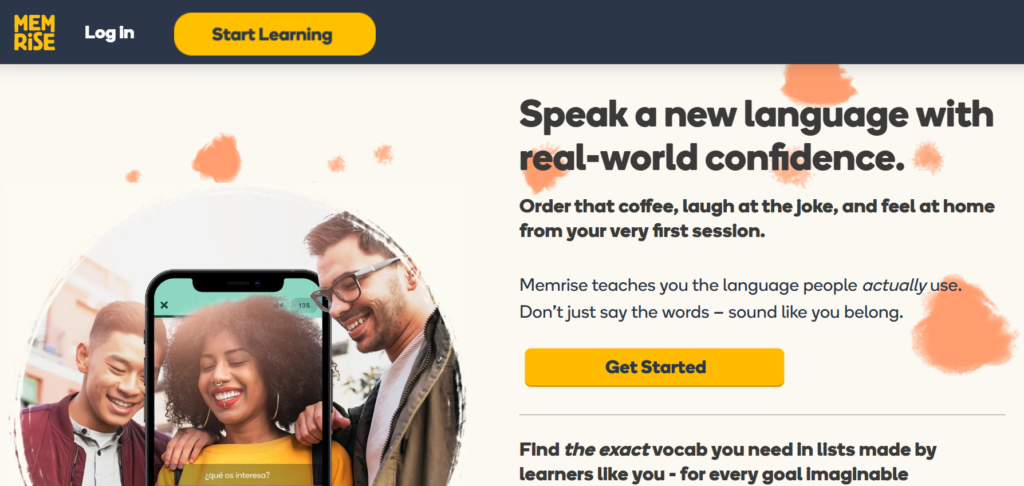
- Best for: Students wanting to see and hear what a word sounds like, when spoken by its native speaker rather than being read by a computer.
- Pros: The video of a native speaker saying each word in context makes the vocabulary come alive. A lot of students prefer learning this way. They find that hearing a new word used correctly in an actual conversation is a much stronger way to retain the word than using a typical flashcard system.
- Cons: While you can build your vocabulary using Memrise, you won’t have an organized connection between those new words. We recommend using it as a supplement to another program and using Memrise as a tool or as part of a larger plan.
- 20-minute student routine: 20 flashcard reps with audio on (focus on listening, not just reading).
- Pair it with: Babble or LingQ, as these two resources provide structure around vocabulary learned.
Mango Languages (Best Free Option via Library Card)
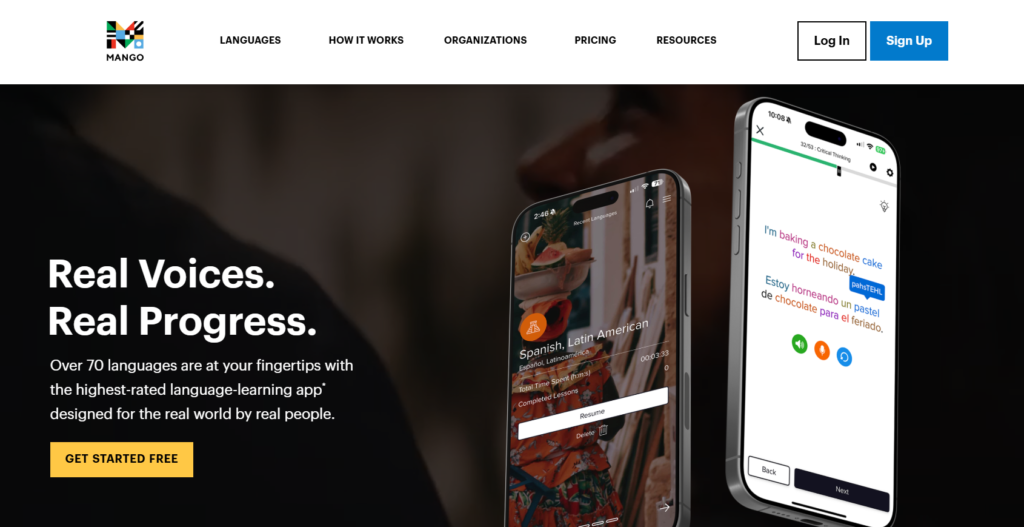
- Best for: Students on a budget who are looking to take a full course structure without spending money.
- Pros: Many public libraries offer free access to Mango if you have a library card. This is a great way to get a full course with culture embedded into each lesson instead of simply having a vocabulary list wrapped around some type of instruction.
- Cons: The community is very small, and very little additional content is available beyond the intermediate level. It also lacks the speaking output practice needed by more advanced learners.
- 20-minute student routine: Take one entire Mango lesson with the audio repeat function enabled so you can listen multiple times through a single session.
- Pair it with: Pimsleur for building speaking confidence once you have learned the basics.
LingQ (Best for Reading and Listening With Content You Care About)
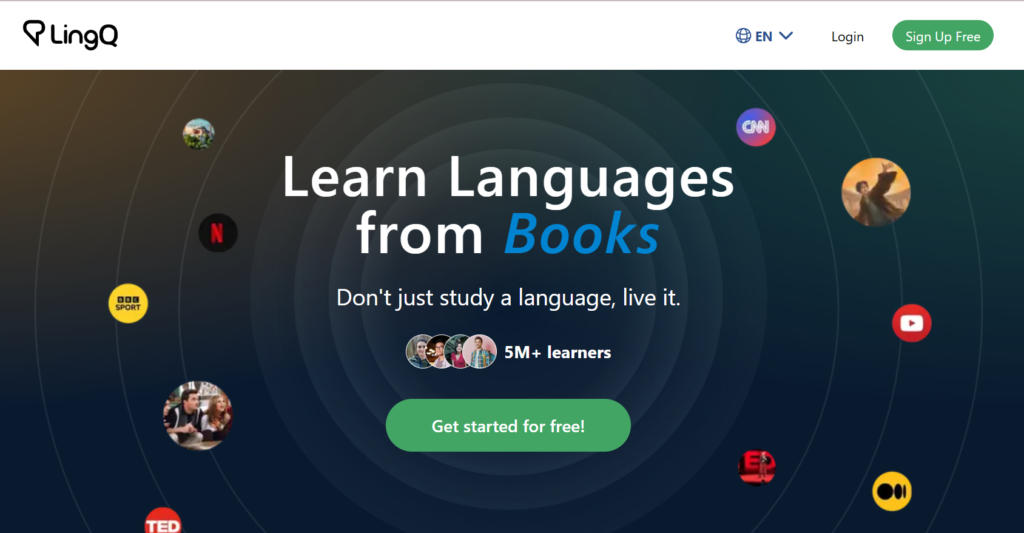
- Best for: Those who have progressed from a beginner app to an intermediate level of proficiency and wish to develop reading and listening skills using authentic content in their target language.
- Pros: You can import virtually all types of media: YouTube video clips, podcasts, articles, and books. All unfamiliar words will be logged for automatic inclusion in your personal vocabulary review queue based on frequency of use.
- Cons: The program does not lend itself well to beginners. Also, the free version has significant limitations. A0-A1 students should find another starting point first.
- 20-minute student routine: Read one short imported text (10 min) + review flagged words (10 min).
- Pair it with: Clozemaster, which provides additional sentence-level practice with the vocabulary LingQ displays.
AI Speaking Apps (Good for Output Reps, Not a Replacement for Structure)
The two most-used AI Speaking apps: Talkpal and Langotalk
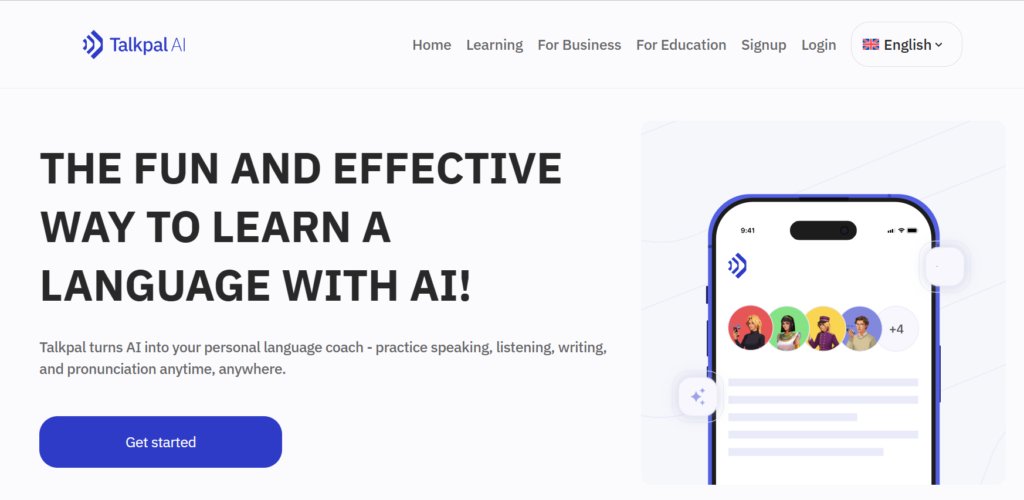
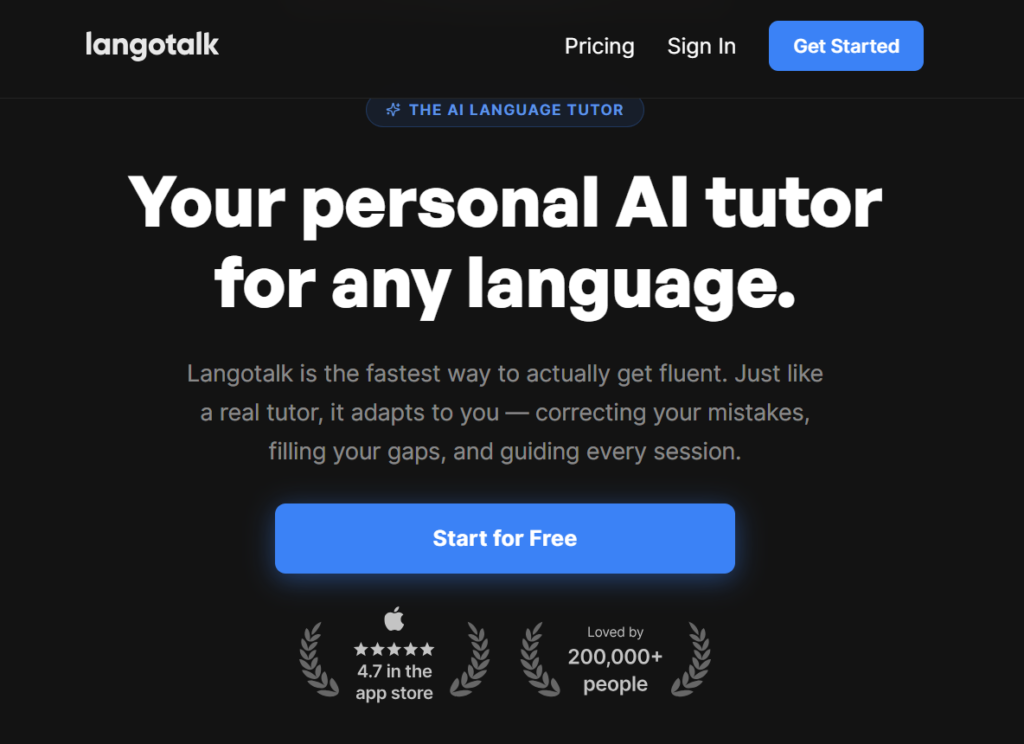
- Best for: Students who want to practice conversing in a non-judgmental setting and at a low pressure level.
- Pros: You are able to speak freely, make mistakes and receive feedback in response to those mistakes. Apps such as Talkpal and Langotalk allow you to pick the topics, and this will keep your conversations related to what you’re currently learning.
- Cons: An app cannot always identify an error that a qualified teacher could identify. If you don’t use a structured system when using an app to practice speaking, then you may continue practicing the same mistakes over and over again while reinforcing them.
- 20-minute student routine: 15 minutes of a free-form conversation about something you’ve learned during your last lesson + 5 minutes reviewing the errors that the app has identified.
- Pair it with: Any structure-based app, to ensure students develop a foundational understanding of grammar and input.
What Reddit Learners Recommend (and How to Turn It Into a Plan)
Apps aren’t enough by themselves. To see tangible growth in your language skills, you need to pair structured input of using apps, listening to podcasts or watching videos with consistent output of speaking and writing. While streaks can be fun to maintain, they don’t necessarily equate to making progress.
Some of the best apps, which are recommended by community members, do not necessarily have to be the most popular ones. Pimsleur has been mentioned many times for improving speaking skills.
Some community members like to access their library cards to listen to Mango, which can be accessed at no cost. Intermediate learners seem to enjoy using LingQ. Audio-only learners who don’t want to look at screens love using Language Transfer and Dreaming Spanish.
The common thread: Everyone seems to think about apps as just one piece of their daily routine, rather than thinking that the app itself will teach them the language.
Below is a simple daily loop that shows what actually works:
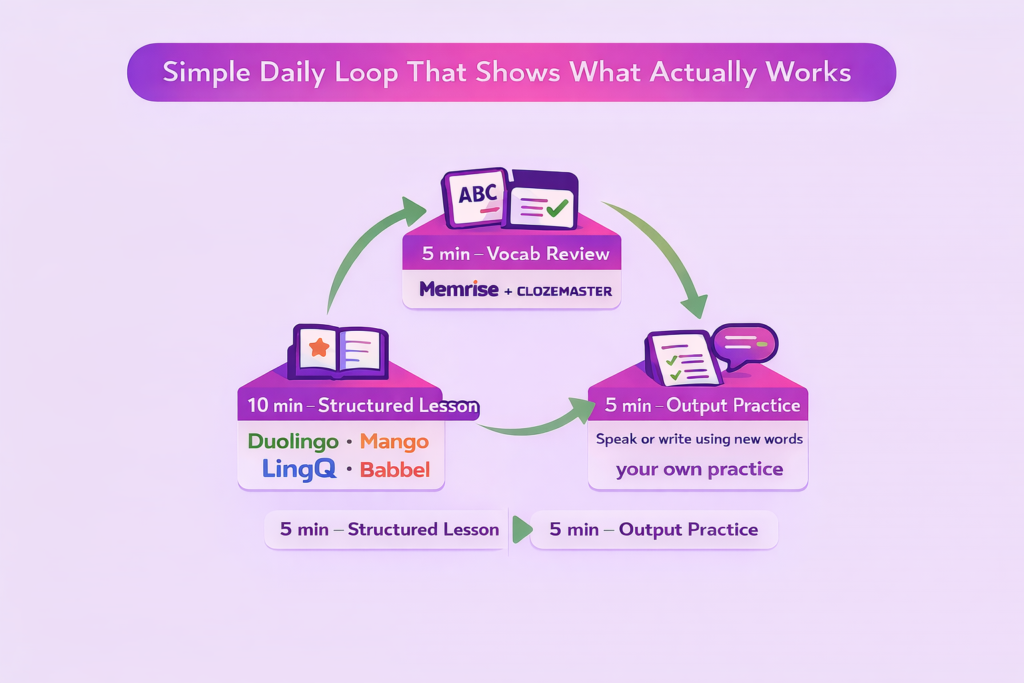
- 5 min: Vocab review through Memrise, Clozemaster, or your app’s built-in deck
- 10 min: Structured lesson through Duolingo, Babbel, Mango, or LingQ reading
- 5 min: Output practice by creating a spoken version or written version of your own three-sentence summary using your new vocabulary
What to stop doing: Chasing streaks as an example of how well you are learning, running three programs at the same time, skipping the output section because the work seems too difficult compared to what you have been practicing in the recognition section.
Need help beyond language apps? Check out some of the best homework help websites for students to build out the rest of their study stack.
Best Picks by Student + ESL Scenario (Choose Your Path Fast)
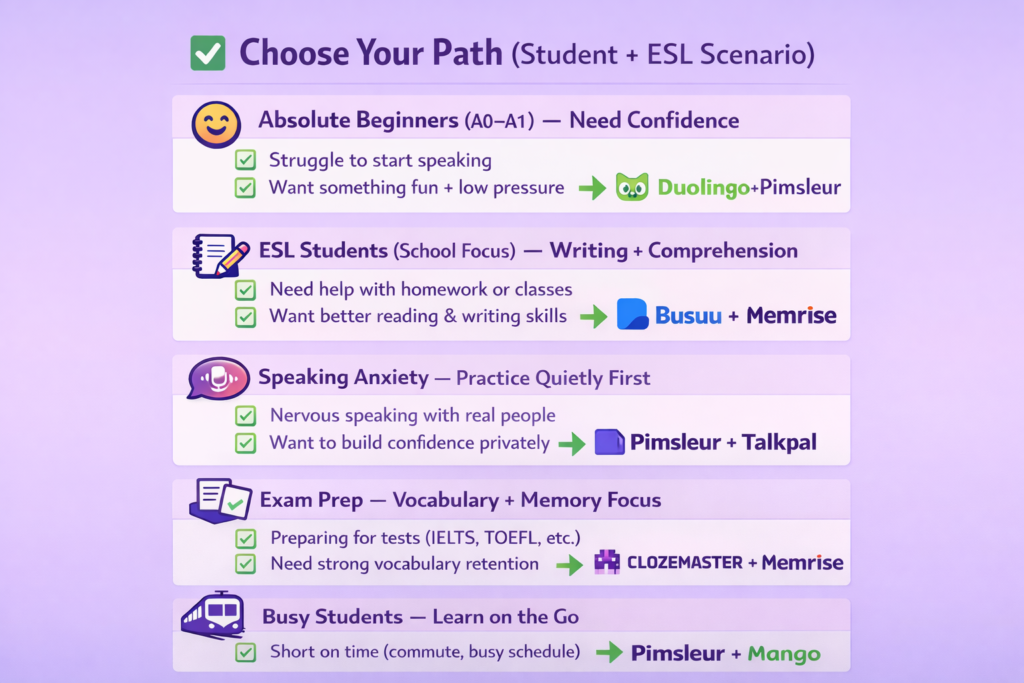
Absolute Beginners (A0–A1) Who Need Confidence
You want something simple enough to be a good starting point, but that does not require you to learn too much about grammar at first.
Start by installing these two:
- Duolingo: A habit-forming app that introduces basic vocabulary
- Pimsleur: It builds your confidence in speaking right away
ESL Students Who Need English for School (Writing + Comprehension)
Academic English is your number-one concern. Listening to lectures, doing written assignments, and being able to read difficult texts.
Install these 2, ignore the rest:
- Busuu: Writing feedback from native speakers
- Memrise: Listening to real voices to improve your ability to understand what people say
Speaking + Pronunciation Anxiety (Quiet Practice First)
You want to increase your self-confidence when you speak so that it is easier to use the new language in a classroom setting or even when interacting with native speakers.
Use two of the following apps:
- Pimsleur: Just listening practice and no pressure
- AI speaking app (Talkpal): A low-pressure environment for practicing conversational skills
Exam Vocab + Spaced Repetition Focus
You are going to take a language proficiency test soon, and you need to learn a lot of new words quickly.
Install these 2, ignore the rest:
- Clozemaster: Sentence-based high-volume vocabulary acquisition
- Memrise: Using native voices to help remember vocabulary
Busy Students (Commute + Offline First)
You have very little free time for screen use and need an app that will work without Wi-Fi.
Try this pair first:
- Pimsleur: Entirely audio-based and can be used offline
- Mango Languages: Lessons are structured and available to download for offline viewing at no cost using your library card
If you’d like to find additional study tools based on a student’s daily schedule, explore our student resource page for workflow ideas that match what many students face in their everyday lives as students.
The Best 2-App Stacks (So You Do Not Waste Time or Money)
There isn’t a single app that can cover it all. The ultimate objective would be to have one well-structured core app and one production skill builder app. The following are the stacks which will do best per goal:
Core Course + Speaking Confidence
Babbel (structured grammar lessons) + Pimsleur (audio speaking reps). Use Babbel on your phone at home, and use Pimsleur while commuting.
Core Course + Input Engine
Duolingo (beginner habit builder) + LingQ (real content reading and listening). When Duolingo begins to feel like it’s repeating itself, switch to LingQ.
Vocab + Real-World Writing (ESL Students)
Clozemaster (sentence-level vocab reps) + Busuu (native speaker writing corrections). This stack focuses directly on the skills which most of the language learning apps neglect because of the academic context.
When to upgrade, what to cancel, and plateau signals to watch for:
- When you’re just doing all of your lessons as they come, then the app isn’t really teaching you anything. Add another level.
- If you haven’t completed a spoken or written practice lesson in the past two weeks, your stack will be input-only. Fix that problem before you spend money on the paid version.
- Don’t commit to paying for an app unless you have committed to using its free version with consistent effort for at least two weeks.
- There is no value in spending money on an app when you’re opening it fewer than 3 times a week. A single app opened every day will always produce better results than three random apps opened three times each per week.
Where Walter Writes Fits in a Student and ESL Daily Workflow
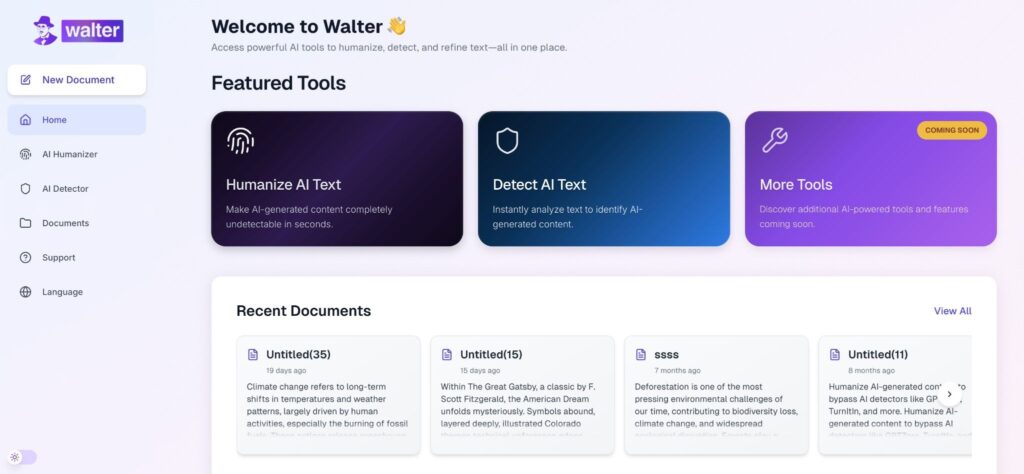
Language apps are made for recognition: multiple choice, fill in the blank and tap the correct word. They do not teach how to produce natural-sounding writing that is clearly understandable by a real reader, nor will it meet the needs of an academic environment.
Walter Writes fills this gap.
The Missing Skill: Real Writing You Would Actually Submit
After most students have completed a lesson, they cannot write a paragraph on their own that isn’t unnatural within their target language. Apps provide patterned writing skills. The purpose of learning grammar patterns is so you can use those patterns as you create a piece of writing, under your own voice, intended for an actual reader.
A Simple Workflow: Learn, Draft, Refine
- Study with your language app
- Draft a short paragraph using what you just learned
- Open Walter Writes to refine clarity, tone, and phrasing
The AI humanizer for students is designed for this very specific reason. It provides an effective method of transforming practice writing into high-quality, authentic-sounding written work while still maintaining students’ individual voices.
The AI humanizer for academics supports upper-level ESL learners within a variety of formal academic settings.
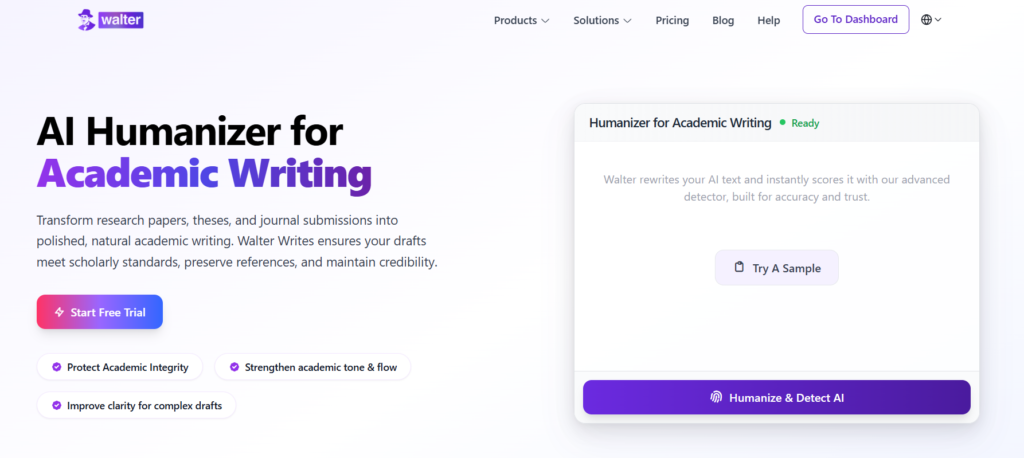
For those who are educators supporting language learners, we have provided AI tools for teachers for feedback and classroom alignment tools.
Walter Writes as Your Writing Layer
Unlike single-purpose language apps, Walter Writes supports the output stage: the part students actually get graded on. One tool does it all, from rewriting editor, humanization to AI detection. The students do not have to switch back and forth between two or three different tools.
Walter Writes can be used alongside whatever app stack you have chosen. Use a language learning app to learn. Use Walter to edit and refine what you’ve learned. The two together make up the complete workflow.
Want to explore additional tools to aid you in your studies? Visit our article on the best AI writing tools for students for a detailed comparison.
Final Note
Language apps provide you with the opportunity to practice. They help develop your vocabulary and improve your ability to listen for word sounds, as well as assist in developing a habit of regular practice. But merely practicing will not give you the writing skills which are required at school.
Walter Writes provides the additional component. Now that you have learned the information, you can use Walter to rewrite, edit and express yourself in a second language. This is the entire process for students learning a second language: learn through an app, then produce using Walter Writes.
FAQs
Which Language Learning App Is Most Effective For Beginners?
Duolingo is the best for building a daily habit from A0 to A1. If you are looking to build your confidence in being able to speak with others, then Pimsleur is the better choice. Beginners typically benefit from using both.
Is Duolingo Actually Good For Learning A Language?
Duolingo is very useful as a tool to build a habit of practicing your new language from A0 to A1. Beyond that level, you will need additional resources.
What Is The Best Free Language Learning App?
If you’re looking for free language learning options, Mango Languages is completely free if you have a valid library card. Duolingo is the better free language learning resource when you don’t have a library card.
How Long Does It Take To Learn A Language With An App?
You can’t achieve true fluency using an app alone. If you consistently use an app daily and also have opportunities to speak and write as well, it’s reasonable to expect that you could be at a level of conversationally competent A2-B1 in most languages within 6 to 12 months.
Can You Become Fluent Using Only A Language Learning App?
No. Apps help develop good habits and vocabulary, but they are no substitute for real conversations with humans or producing your own written work.
What App Is Best For Improving Speaking And Pronunciation?
Pimsleur. It is strictly based on audio. The student gets to practice their speaking and pronunciation beginning at the very first lesson.
Which Language Learning App Is Best For ESL Students Specifically?
Busuu for writing corrections and Memrise for listening to native speakers. Together, they create a solid ESL learning set.
Is Babbel Better Than Duolingo?
For grammar structure and organized classes, Babbel will be better. For free, with built-in habits of learning, Duolingo has the upper hand. Duolingo provides an initial stage of language training while Babbel offers the next.
What Do Language Learners On Reddit Recommend?
Audio-first approaches like Pimsleur, input-heavy tools like LingQ, and free options like Mango and Language Transfer. It has been recommended consistently that language learners should utilize apps only as additional resources and never solely.
Do AI-Powered Language Apps Work Better Than Traditional Ones?
Yes, for speaking practice or low-stakes output replications. Traditional applications are better for formalized grammar and long-term memory retention. The best way is to use a combination of both.